







INDUSTRY INFORMATION
Industry News


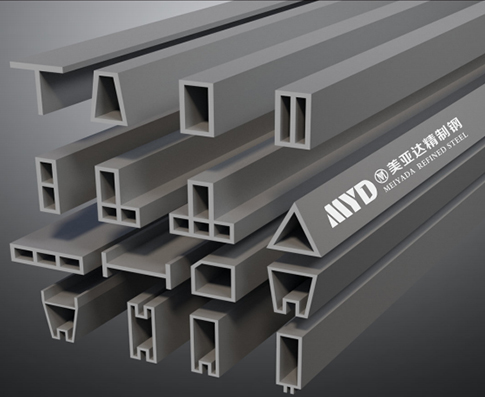



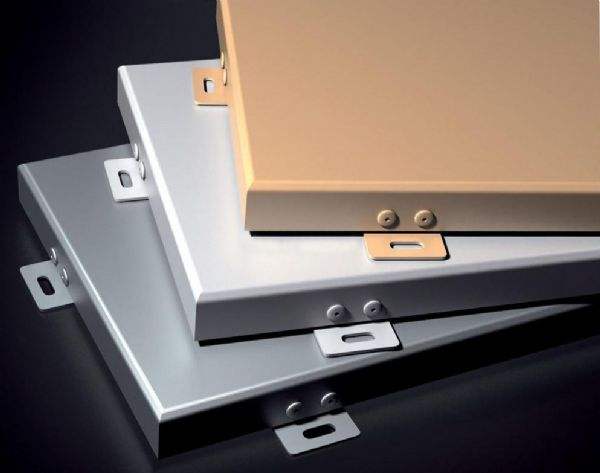
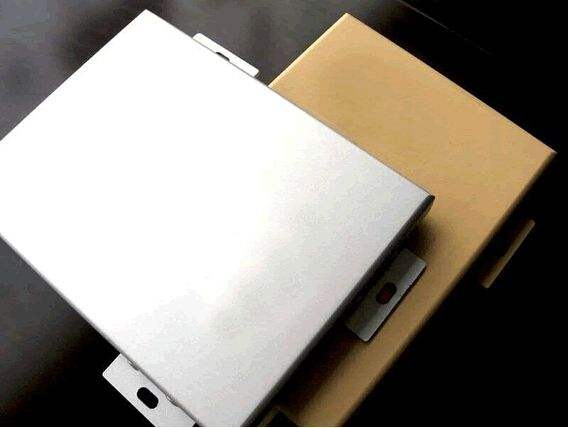
In modern cities, fluorocarbon aluminum composite panel curtain walls can be seen everywhere. Why are these curtain walls so popular among property owners?
Fluorocarbon-coated aluminum composite panels for curtain walls are lightweight yet meet numerous requirements, including structural strength, thermal insulation, waterproofing, resistance to windblown sand, fire resistance, sound insulation, and thermal insulation. Currently, materials used for curtain walls include various natural stone slabs, artificial stone slabs (such as colored concrete and decorative concrete), composite panels, metal panels, and different types of glass.
The reason why fluorocarbon-coated aluminum composite panels for architectural curtain walls have been widely adopted and promoted in various construction fields in a very short time is their unique features that no other material can match. Aluminum composite panels, along with stone and glass curtain wall materials, are highly popular in the building materials and decoration market. Aluminum composite panels are lightweight yet strong, fire- and moisture-resistant, easy to install, highly weather-resistant, and possess another outstanding feature: they are environmentally friendly and recyclable.
Aluminum composite panels are made by forming aluminum alloy sheets into sheet metal and then coating them with fluorocarbon paint. As a result, they have a very high recycling rate, which significantly reduces waste from new construction projects and greatly conserves resources. Unlike non-renewable materials such as stone, which cannot be regenerated once used, aluminum composite panels exhibit excellent environmental performance. From an environmental perspective, fluorocarbon aluminum composite panels hold a strong advantage in the building materials market.
Fluorocarbon aluminum panels are architectural decorative materials processed by applying fluorocarbon coating technology following chromate treatment. These panels use fluorocarbon paint, a coating whose primary film-forming substance is fluororesin. The paint is applied via electrostatic spraying and then cured through high-temperature baking. Fluorocarbon paint boasts excellent corrosion resistance and weather resistance, effectively resisting acid rain and air pollution. It provides strong UV protection, has a long service life, does not fade, and does not chalk—making it particularly suitable for exterior decoration.

 鄂公网安备42062502000047