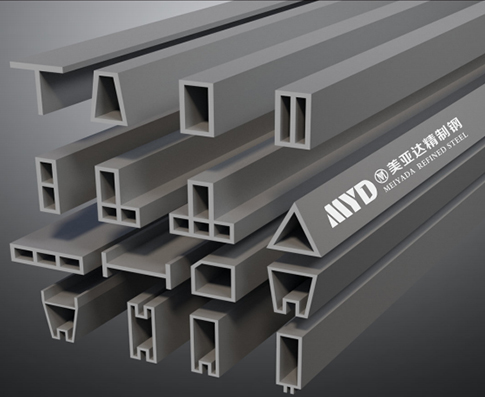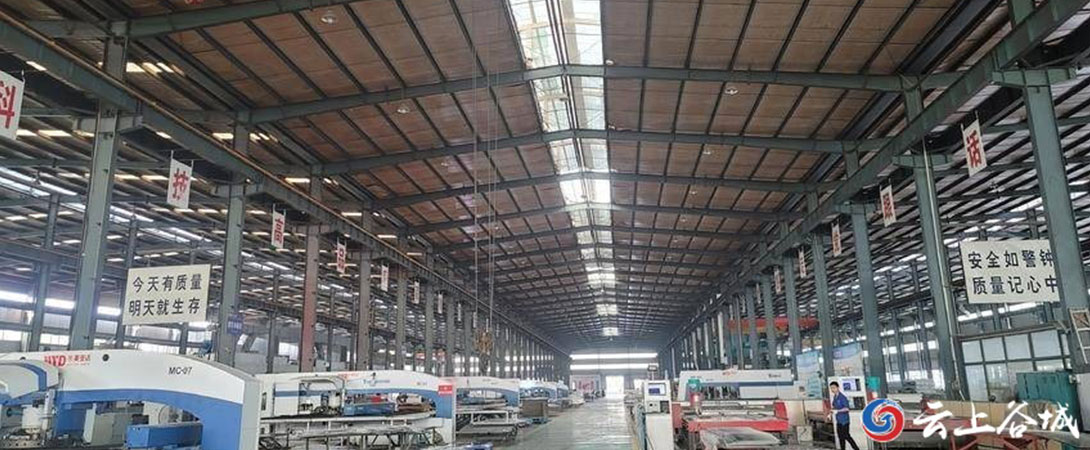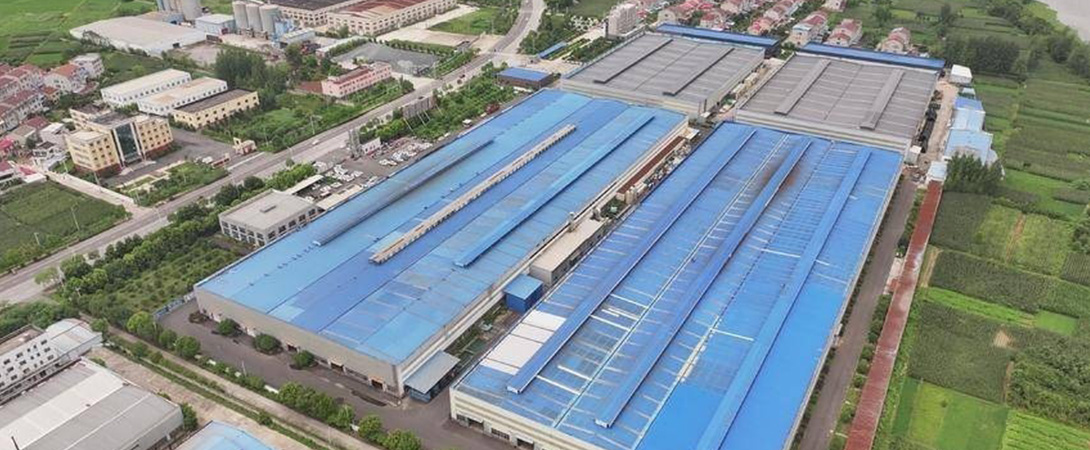



Hubei Meiyada Aluminum-Magnesium Precision Materials Co., Ltd. is a wholly-owned subsidiary of the Meiyada Group. The Group has been deeply engaged in the fields of refined steel profiles and aluminum-magnesium precision materials, with its business spanning diverse sectors including eco-friendly and energy-saving building materials and die-casting products. The company has invested 120 million yuan in a project for the precision die-casting and processing of aluminum-magnesium alloys. It is equipped with 16 sets of intelligent die-casting machines ranging from 300T to 2000T, as well as over 200 sets of machining and testing equipment. The company has an annual production capacity of 10,000 tons of aluminum alloy and 3,000 tons of magnesium alloy precision parts, with its products widely used in various industries such as automotive and new energy. The project’s objectives focus on technological breakthroughs, team development, and industry-academia-research collaboration. It is expected to achieve an annual output value of 800 million yuan and generate 150 million yuan in profits and taxes. The company has obtained certification under four management systems and has been recognized for 16 consecutive years as a “Hubei Province Contract-Honoring and Creditworthy Enterprise.” Both “Meiyada” and “Meijian” are well-known trademarks and brand names in Hubei Province.The group is market-oriented, continuously drives technological innovation, and works closely with partners to co-create value.
Aluminum Alloy Die Casting

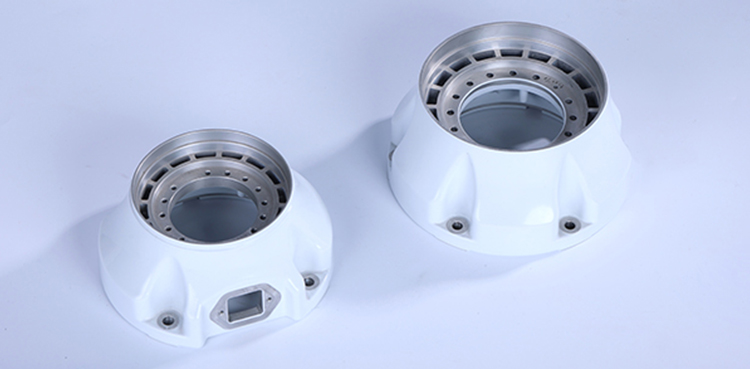
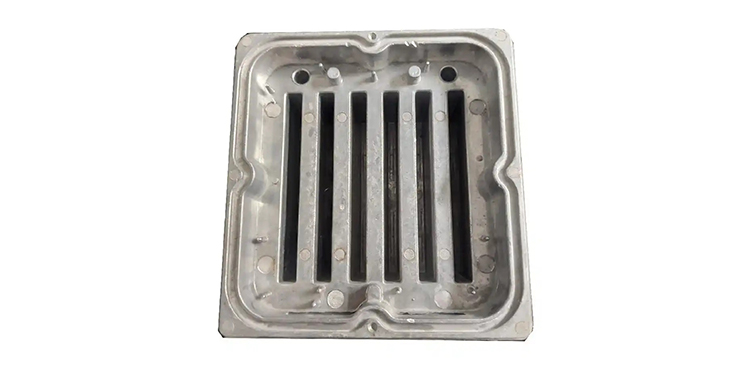
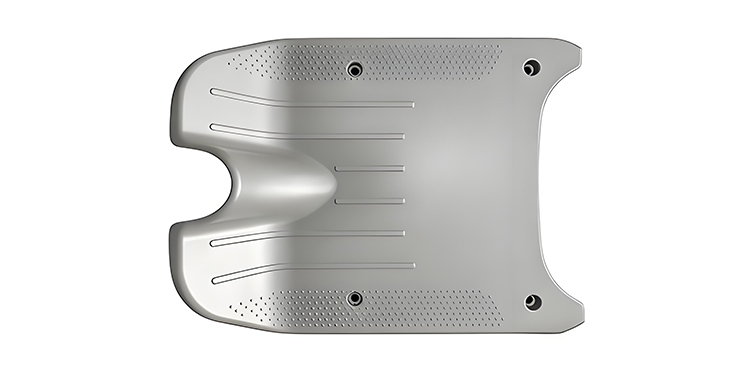
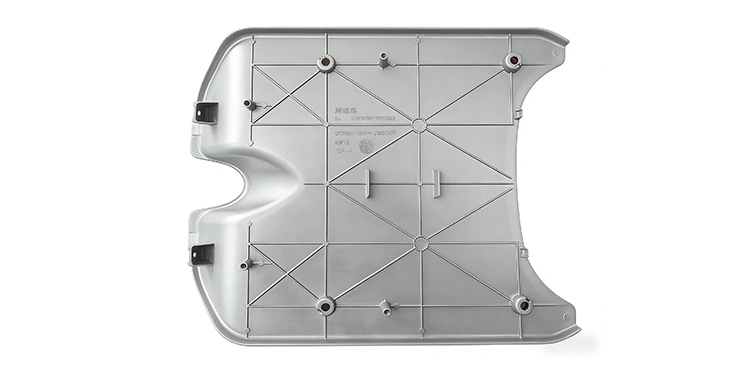
Die-cast products made from aluminum alloys and magnesium alloys are widely used in industries such as automotive, new energy, photovoltaics, electronics, aerospace, and construction, and market demand continues to grow. As the primary consumer sector for die-cast products made from aluminum and magnesium alloys, the automotive and electric vehicle industries are seeing a growing demand for lightweight, high-performance aluminum and magnesium alloy components, driven by the rise of new-energy vehicles and energy storage solutions. The electronics industry is also increasingly demanding aluminum...
Advantages of Meiyada Aluminum Alloy Die Casting
The project’s long-term objectives are as follows: First, to develop high-performance aluminum-magnesium alloy die-casting products with international competitiveness, break through key technologies and file patent applications, refine production processes and quality-control systems, enhance efficiency, reduce costs, and strengthen market competitiveness. Second, to cultivate a highly qualified R&D and manufacturing team by attracting talent and providing training to improve employee capabilities, deepen collaboration between universities, enterprises, and research institutions, and promote...

Electrical Appliance Application Fields
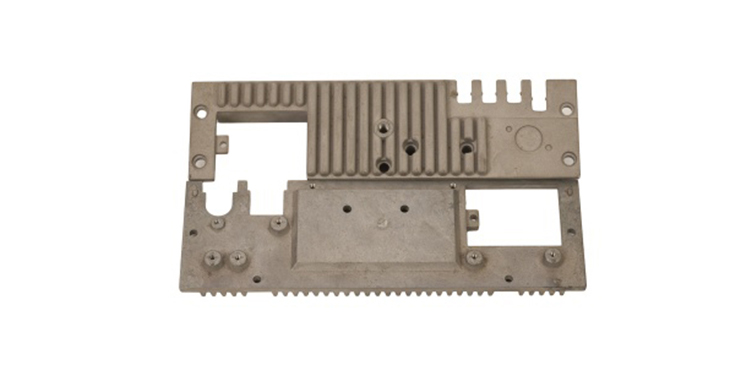
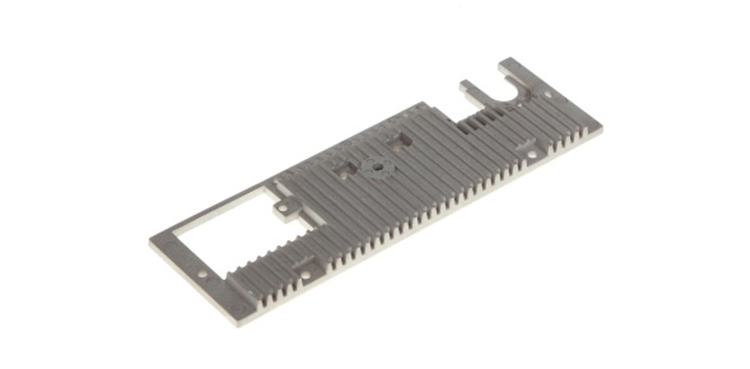
Meiyada aluminum alloy die casting features lightweight design, excellent heat dissipation, high strength, and precise molding, making it widely used in the electrical appliance industry. In communication equipment, it is commonly employed for 5G base station housings and filter cavities, meeting the requirements for structural stability and electromagnetic shielding. In the home appliance sector, die-cast aluminum alloys are frequently used for air conditioner compressor housings, LED lighting heat sinks, and structural components of small appliances, enhancing heat dissipation efficiency and service life.
Photovoltaic Application Fields
Due to their lightweight nature, high strength, excellent heat dissipation, and superior weather resistance, aluminum alloy die castings from Meiyada are widely used in the photovoltaic industry. They are primarily employed in the housings and structural components of key equipment such as photovoltaic inverters and combiner boxes, ensuring efficient heat dissipation and stable operation of the equipment. Meanwhile, die-cast aluminum alloys are also extensively used in photovoltaic tracking brackets, junction boxes, and frame connectors, enabling the integrated molding of complex structures, enhancing installation efficiency and wind-load resistance, and making them well-suited for long-term outdoor use. With their advantages of low cost and reliable performance, aluminum alloy die castings effectively help reduce costs and improve efficiency in photovoltaic power plants, thereby promoting the scaled development of the industry.
Application areas for energy storage equipment
Meiyada aluminum alloy die casting, with its advantages of lightweight design, high strength, excellent heat dissipation, and corrosion resistance, is widely used in energy storage equipment. Core components such as battery pack housings, PACK structural parts, energy storage inverters, and BMS enclosures are often integrally formed using die casting, effectively enhancing structural rigidity and safety while improving heat dissipation and electromagnetic shielding performance. Its outstanding weather resistance ensures the long-term stable operation of outdoor energy storage cabinets and commercial/industrial energy storage stations. Compared to steel, it is lighter and easier to transport and install, and its efficient production process and controllable costs strongly promote the development of energy storage equipment toward higher integration, greater safety and reliability, and lighter weight.
Automotive/Electric Vehicle Application Fields
Aluminum alloy die casting by Meiyada boasts advantages such as lightweight design, high strength, and precise shaping, making it widely used in the automotive industry. Components such as engine housings, transmission housings, steering system parts, and chassis structural components manufactured using this process can effectively reduce vehicle weight and enhance fuel efficiency. In new-energy vehicles, core components—including battery pack housings, motor housings, electronic control box bodies, and subframes—are extensively made from die-cast aluminum alloys, enabling integrated designs that reduce the number of parts and improve assembly efficiency. At the same time, aluminum alloy’s excellent thermal conductivity and structural stability meet the demands of automotive safety, energy conservation, and intelligent development, making it a key technology for vehicle lightweighting.