







INDUSTRY INFORMATION
Industry News


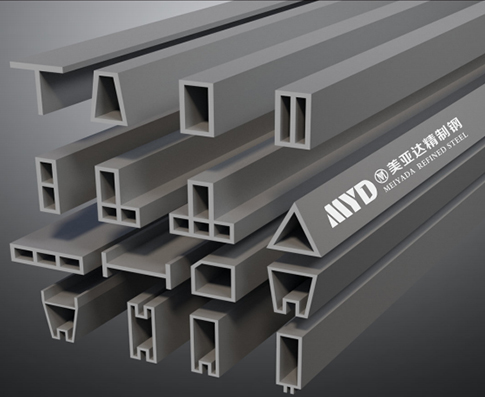



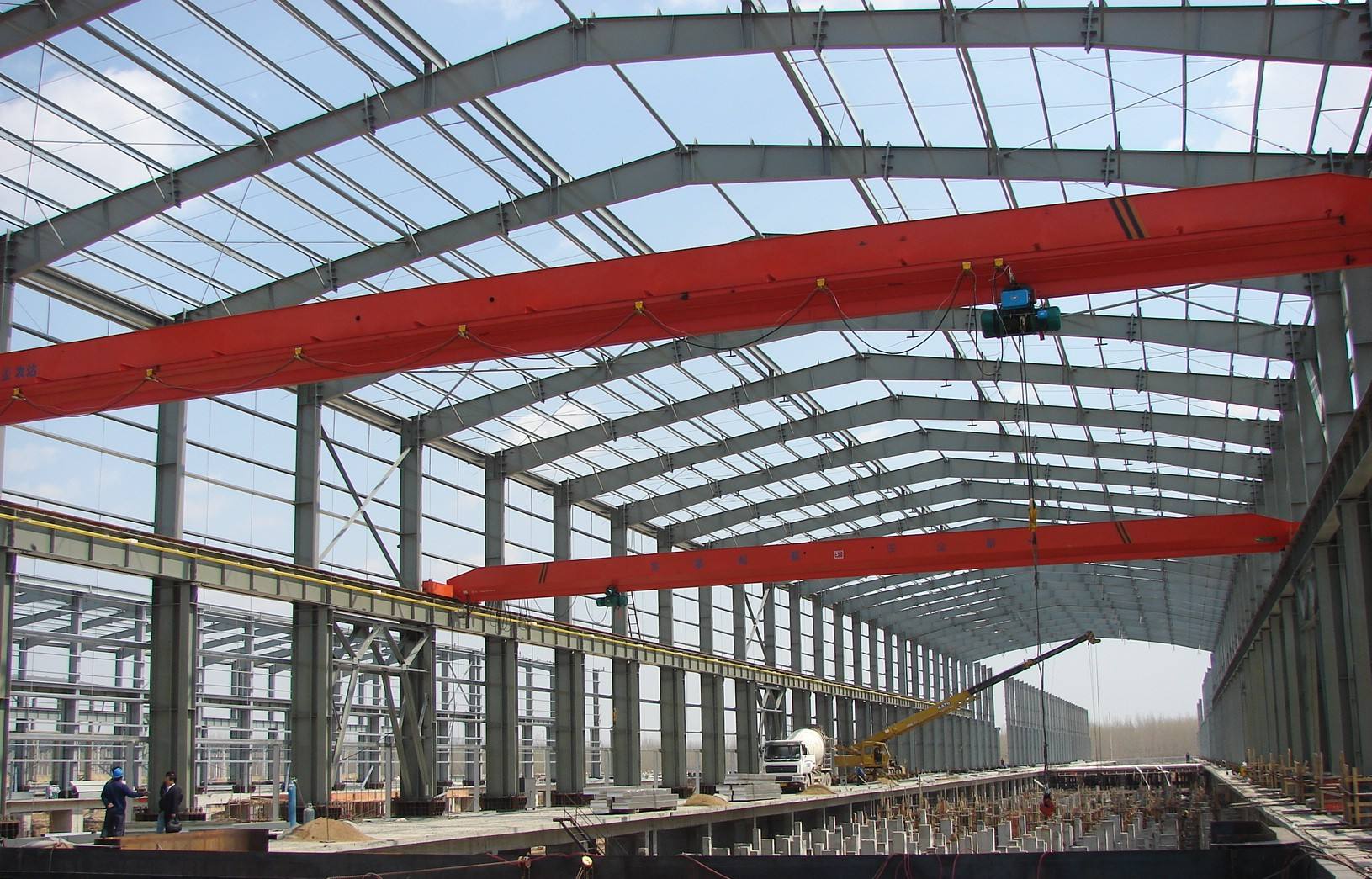
In recent years, with the rapid development of construction and the increasing number of high-rise buildings in China, the steel structure industry has been growing at an astonishing pace. As a green and environmentally friendly urban building type, steel-structure residential buildings have been designated by the Ministry of Construction as a key promotion project. Particularly in China’s industrialized cities, where population density is high and land resources are scarce, and people increasingly demand higher standards for residential density and green spaces, the widespread adoption of steel-structure residential buildings is an inevitable outcome of China’s productive forces reaching a certain stage of development.
Advantages and Benefits of Steel Structures
1. Low cost, light weight, and high strength; steel materials can be 100% recycled, making them green, environmentally friendly, and pollution-free.
2. Steel-structure buildings are supported by columns and beams, with walls made of color-coated steel panels. Compared to traditional reinforced concrete structures, the columns and walls have smaller cross-sections, effectively reducing the structural footprint and increasing the usable area and value of the building.
3. Currently, steel-frame residential buildings are manufactured in factories and installed on-site, featuring a high degree of construction mechanization and accelerated construction speed.
The strength of steel structures paves the way for the brilliance of green and environmentally friendly buildings
1. Steel structures are supported by columns and beams, with walls serving as infill walls. Compared to traditional reinforced concrete structures, the columns and walls have smaller cross-sections, effectively reducing the structural footprint and increasing the usable area and value of the building
2. Because steel-structure residential buildings are manufactured in factories and installed on-site, they feature a high degree of construction mechanization, which accelerates the construction speed.
3. During construction, the use of sand and lime helps reduce the depletion of non-renewable resources; on-site wet construction is significantly minimized, resulting in lower noise levels at the construction site, reduced bulk materials, minimal waste and wastewater discharge, and an improved construction environment. When the building reaches the end of its service life and needs to be demolished, all the steel can be fully recycled, greatly reducing the generation of gray construction waste and fully aligning with the green and environmentally friendly urban development trend.
4. Steel structures significantly enhance the safety and reliability of residential buildings, offering excellent seismic and wind resistance. Compared to concrete structures, steel structures exhibit much better seismic performance. First, steel structures are lightweight, meaning that structural lateral displacement and internal forces are not primarily governed by seismic forces but rather by wind loads. Second, steel materials have good ductility and strong seismic resistance. Third, the structural system generally does not undergo significant changes, ensuring uniform vertical stiffness. Seismic surveys conducted in Taiwan show that nearly all buildings remaining standing in areas near major earthquake zones are steel-structured buildings.
5. Higher quality assurance. Made on-site with high processing accuracy, assembled and welded on-site—every step can be inspected for precision just like equipment installation, minimizing the impact of outdoor construction environments on product quality, thus ensuring top-notch quality.
6. Complies with the requirements of residential industry development and sustainable development, realizing the industrialization and standardization of housing. Steel structures are suitable for large-scale factory production, achieving a high degree of industrialization.

 鄂公网安备42062502000047