







INDUSTRY INFORMATION
Industry News


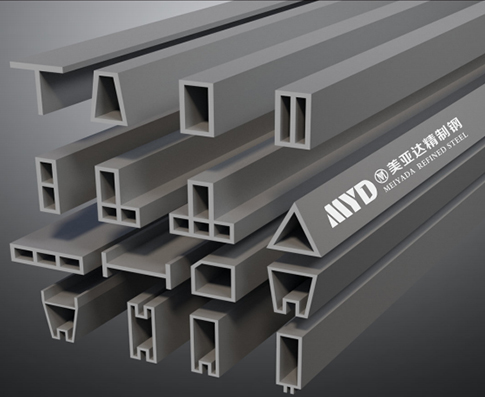



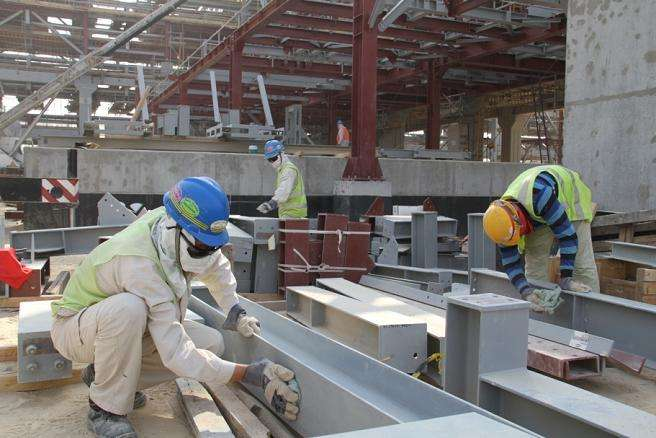
Steel structures are characterized by their light weight, high strength, excellent plasticity and toughness, and short construction periods, making them widely used and continuously developing in engineering projects. However, recent surveys have revealed that some steel structure users are unaware that steel structures require regular maintenance and care. As a result, severe corrosion often goes undetected, creating numerous safety hazards and reducing the overall safety of steel structures in use—sometimes even compromising their normal operational functions. It is recommended that design institutes, when preparing coating design specifications for steel structures, not only specify the coating requirements but also, based on the actual usage conditions, outline the necessary maintenance and upkeep guidelines. The design specifications should take into account environmental factors during the steel structure’s service life, as well as the structure’s age and service duration, before determining the appropriate type of coating and the required film thickness. This will help ensure the steel structure’s longevity and enable precise scheduling of maintenance and upkeep activities, including specifying the timing, methods, and procedures for such maintenance, thereby effectively extending the service life of the steel structure.
If steel structures are exposed to air or humid environments for long periods without any protective measures on their surfaces, they may suffer from corrosion, deformation, or stress failure, leading to premature structural damage. Therefore, regular inspection, maintenance, and upkeep of steel structures are crucial to ensure their proper functioning and to guarantee their intended service life. The maintenance and upkeep of steel structures mainly involve the following aspects:
1. Regular rust and corrosion protection
2. Regular fire-retardant treatment and protection
3. Regular deformation monitoring and maintenance (including monitoring of overall structural verticality, planar curvature, verticality and bending deformation of key components, mid-span deflection, and stress during use)
4. Regular inspection and maintenance for other types of defects
5. Inspection and Maintenance of Bolt and Rivet Connections
Overview: With the localization of steel usage in architectural steel structures, China’s steel structure industry is ushering in new opportunities. At the same time, various technical challenges will also emerge one after another. As a large number of steel structures are being constructed, to extend the service life of steel structure buildings, it is essential to strengthen the daily maintenance and upkeep of these structures in the later stages, thereby reducing safety risks during their use and enhancing their performance. Meanwhile, various maintenance and upkeep methods will also continue to be further studied and better understood.
Source: http://www.sxsd1996.com.

 鄂公网安备42062502000047