







GROUP NEWS
Group News





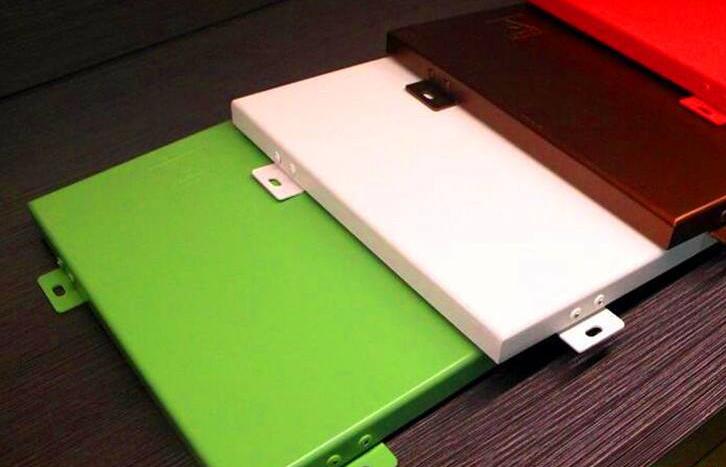
Today, people no longer prioritize opulence in their living environments; no matter how exquisite the exterior may be, environmental friendliness and safety have become far more important. Yet, during renovations or when selecting building materials, many commonly used substances are chemically synthesized. So, do these substances really pose any health risks to humans? I believe this depends greatly on the specific building materials being used. Today, let’s talk about the chemicals found in fluorocarbon aluminum composite panels.
Nowadays, when it comes to home decoration, the emphasis is on using non-toxic and environmentally friendly decorative materials. However, in reality, many of the materials currently available are actually unsafe—synthetic chemical compounds continuously emit various toxic substances. Formaldehyde, found in many furniture and building materials, is a particularly serious chemical hazard that poses significant risks to human health, and its toxicity is extremely high. Many wood products, paints, and adhesives contain formaldehyde. A new type of aluminum panel material—the fluorocarbon aluminum panel we see today—has remarkably high safety performance because it is completely non-toxic and harmless, making it a relatively safe building material.
The fluorocarbon aluminum composite panels used during renovation are a building material that poses absolutely no harm to the human body. Yes, they do contain certain chemical substances, but these chemicals are completely non-toxic. It is precisely because of this sustainable and environmentally friendly nature that aluminum composite panels remain highly popular today.
Early fluorocarbon aluminum composite panels were not originally from China—actually, they were first introduced from abroad. However, nowadays, their applications have become extremely widespread. They are commonly used in various industries, including airports, hotels, government buildings, and especially as curtain walls for buildings, resulting in exceptionally strong sales.
The emergence of fluorocarbon-coated aluminum panels reflects the current societal demand for new developments—specifically, the need to embrace a path of sustainable development. As energy-efficient and environmentally friendly products gradually come to the fore, they are increasingly attracting consumers to make purchases.

 鄂公网安备42062502000047